
Service
AI governance
Phibon reviews AI use cases against their technical, legal and data ethics implications, with a particular focus on the European regulatory landscape.
Leads in: Finance & insurance Public sector Healthcare Scaleups & investors
AI ethics and governance assessment
We map the AI systems already in use across the organisation, along with the data flows and governance practices behind them, then assess them against the obligations that apply.
- Mapping the AI systems in use, with their data flows and governance practices
- Risk assessment that surfaces legal, ethical and operational issues before production
- Alignment with the EU AI Act and GDPR, including DPIAs, transparency obligations and documentation duties
- Findings translated into recommendations that legal, technical and business teams can act on
What you get
Deliverable
Risk register, gap analysis and a sequenced remediation plan
Typical duration
6–10 weeks


AI ethics policy and corporate communication
How an organisation talks about AI internally and externally shapes whether its commitments are taken seriously.
- Internal AI policies that set clear expectations without slowing development down
- Communication materials that help staff turn principles into day-to-day decisions
- External messaging for clients, partners and regulators that holds up to scrutiny
What you get
Deliverable
Policy set, internal guidance and external messaging framework
Typical duration
4–6 weeks
Stakeholder workshops on AI ethical principles
Our workshops move ethics out of policy documents and into the rooms where AI decisions are made.
- Ethics principles worked through against the organisation's specific context
- Legal, compliance, analytics and technical teams in the same room, so trade-offs are debated where they happen
- The company's own use cases used to examine fairness, transparency and the harder edge cases
What you get
Deliverable
Facilitated sessions, a mapped trade-off set and a working decision tool
Typical duration
Workshop series

Proof
Where this has been used
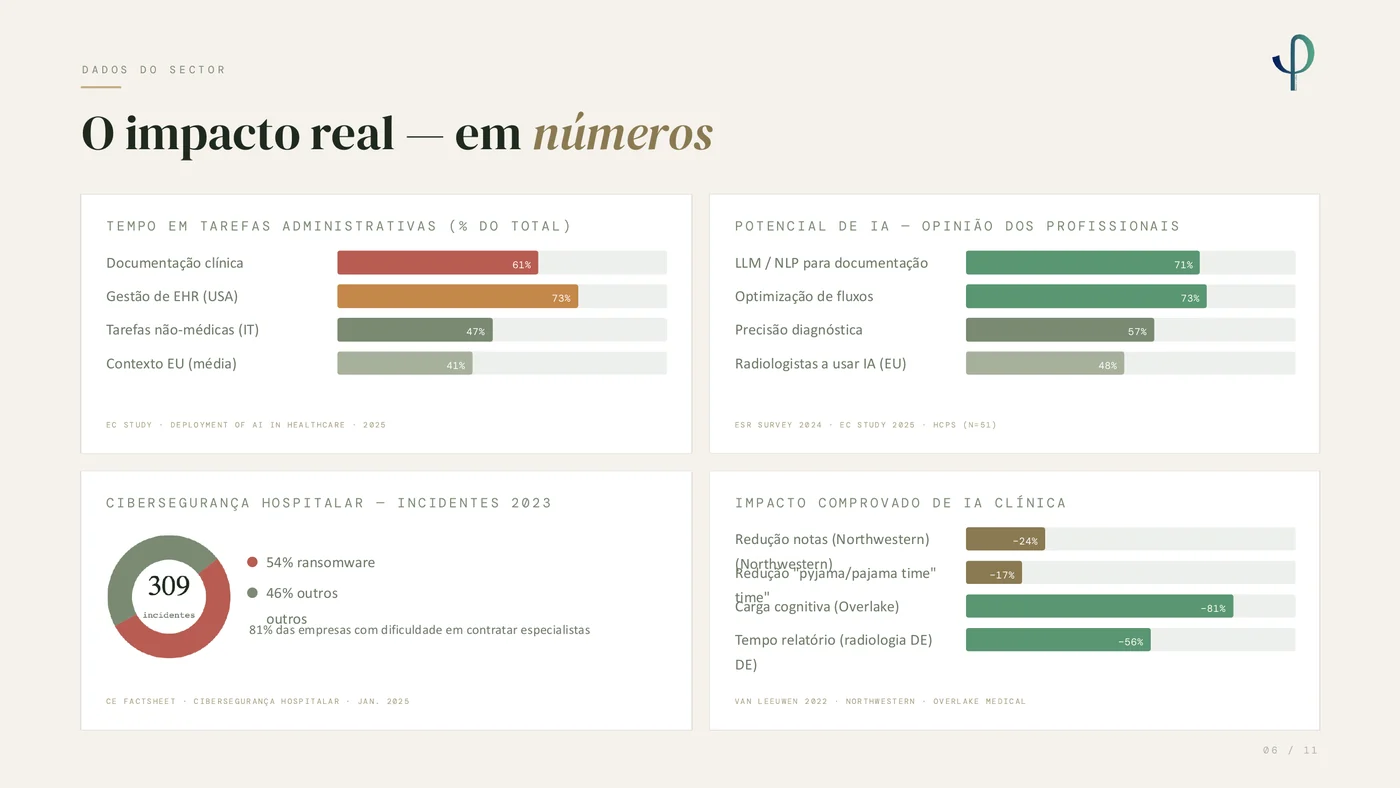
Leading the change for AI in healthcare
An organisational AI maturity model for clinical and administrative settings

Ethical AI in life and non-life insurance
A framework for mapping ethical trade-offs in AI use
Further reading
Related reading
Ethical AI in life and non-life insurance
Published by a national insurance and pension association. A framework for mapping the ethical trade-offs in insurance AI use cases.
Read it →AI and robotics for sustainable tourism
A global mapping of applicable technologies with a cost-benefit assessment sized to regional operators.
Read it →Scope it in two weeks.
A fixed-fee scoping review returns a written scope with options, effort and sequence.