



Phibon is named after the combination of φ (phi) the Greek letter symbolizing the golden ratio, and “Fibonacci,” in tribute to the famous mathematician, Leonardo of Pisa, known for the Fibonacci sequence and referred as such. At Phibon, we specialize in using data and the principles of mathematics to help our clients make informed and strategic decisions.
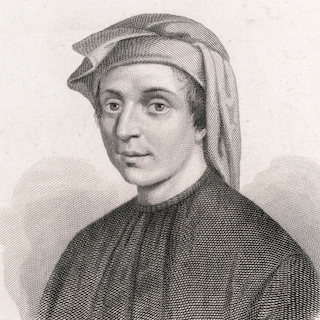
We believe in the power of numbers and their ability to represent the beauty, utility, and sturdiness of a solution. Like the Fibonacci sequence, which shows that each number is the sum of the previous two numbers, we strive to build upon our past successes and achievements to continually improve and grow. The Fibonacci sequence, which is a series of numbers where each number is the sum of the two preceding ones, is closely related to the golden ratio, as the ratio of any two successive numbers in the Fibonacci sequence will approach the value of the golden ratio as the numbers get larger.

We strive to be the golden measure for strategic decisions based on data, just as the golden ratio is the answer to the Fibonacci sequence and its limits. The golden ratio, also known as the divine proportion, is a mathematical concept that has been studied for centuries because of its unique properties. This ratio is often denoted by the symbol φ (phi) and is approximately equal to 1.6180339887. The golden ratio can be found in many natural and man-made objects, including the human face, the Parthenon, sunflowers and the “Vitruvian Man” from Leonardo da Vinci. One of Leonardo’s most famous works is the drawing known as the “Vitruvian Man,” which is a depiction of a man in two superimposed positions with his arms and legs extended, creating a circle and a square.
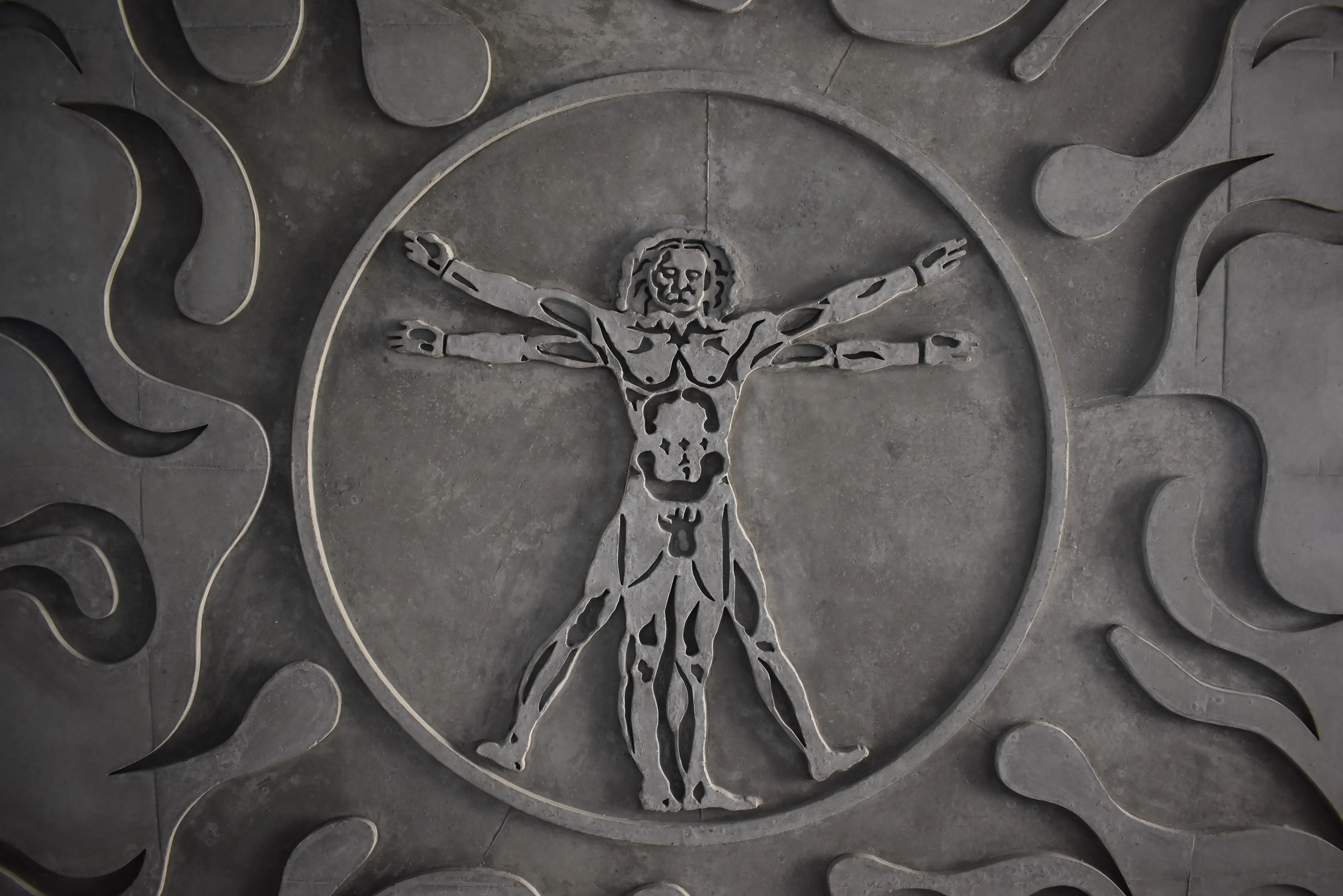
The “Vitruvian Man” drawing is based on the ideas of Vitruvius, a Roman architect and engineer who lived in the first century BC. Vitruvius is known for his treatise on architecture, called “De architectura,” which describes the principles of design and construction. In this work, Vitruvius asserts that a structure must exhibit the three qualities of firmitatis, utilitatis, venustatis (stability, utility, and beauty) and that architecture is an imitation of nature. As in Phibon’s signature, firmitas et utilitas, represent the utility and sturdiness of Phibon’s work. Simultaneously, everything in Phibon must follow a structured and organized notion of elegance and beauty, or more clearly, of venustas, a third unclaimed principle, but always present.
Fibonacci, Vitruvius, and the golden ratio are all interconnected concepts that have influenced mathematics and art for centuries. The Fibonacci sequence is closely related to the golden ratio, as the ratio of any two successive numbers in the Fibonacci sequence will approach the value of the golden ratio as the numbers get larger. Additionally, Vitruvius’ concept of the “Vitruvian Man” incorporates the golden ratio in its depiction of the human form. Overall, these three concepts have had a lasting impact on mathematics, art, and architecture and continue to be studied and admired to this day.